Benefits of Graphene-Enhanced Construction Materials
Graphene-enhanced construction materials offer a range of benefits, including increased strength, durability, and sustainability. These materials can significantly improve the structural integrity of concrete, making it more resilient to environmental stressors and reducing the need for frequent repairs.
For instance, incorporating graphene into concrete can enhance its tensile strength by up to 200%, allowing for thinner and lighter structures without compromising on safety. Additionally, graphene's unique properties contribute to lower carbon emissions during production, aligning with sustainable building practices.
Applications of Graphene in Construction
Graphene technology is transforming various sectors within the construction industry, from residential buildings to large infrastructure projects. Its lightweight and high-strength characteristics make it ideal for applications where traditional materials may fall short.
Examples of applications include the use of graphene-enhanced concrete in high-rise buildings, where weight reduction can lead to significant cost savings in materials and foundation work. Furthermore, graphene's resistance to corrosion makes it suitable for infrastructure exposed to harsh environmental conditions, such as bridges and tunnels.
Future of Construction Materials with Graphene
The future of construction materials is being reshaped by the integration of graphene technology, which promises to revolutionize how buildings are designed and constructed. As research continues, we can expect to see innovative products that leverage graphene's properties for improved performance.
Emerging trends indicate that graphene could lead to self-healing concrete, which would repair cracks autonomously, enhancing the longevity of structures. Additionally, advancements in production methods may lower costs, making graphene-enhanced materials more accessible for widespread use in the construction industry.
How to Choose the Right Graphene Product for Your Project
Selecting the appropriate graphene product for a construction project requires careful consideration of various factors, including project specifications, environmental conditions, and desired performance outcomes. Understanding these elements can help ensure optimal results.
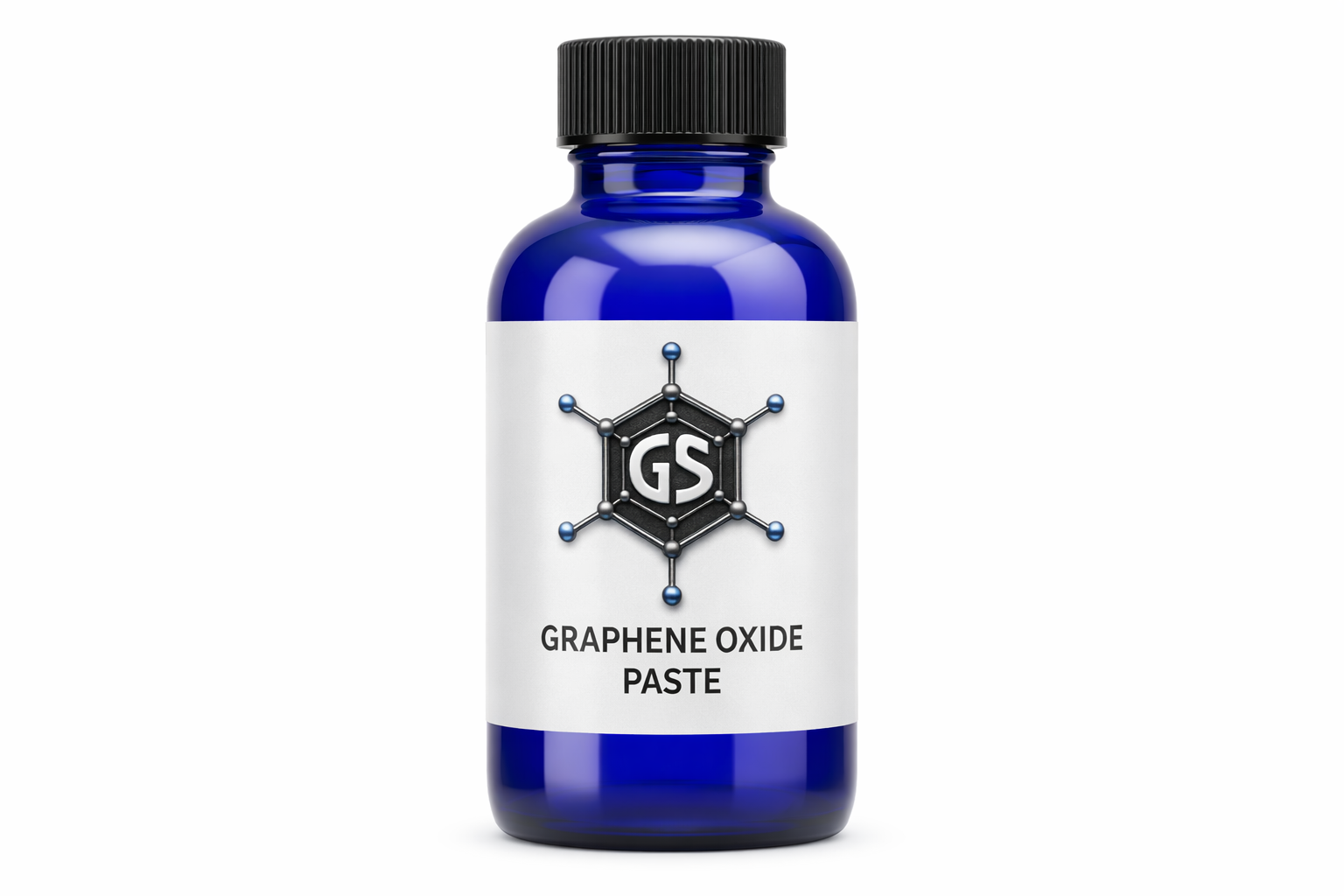
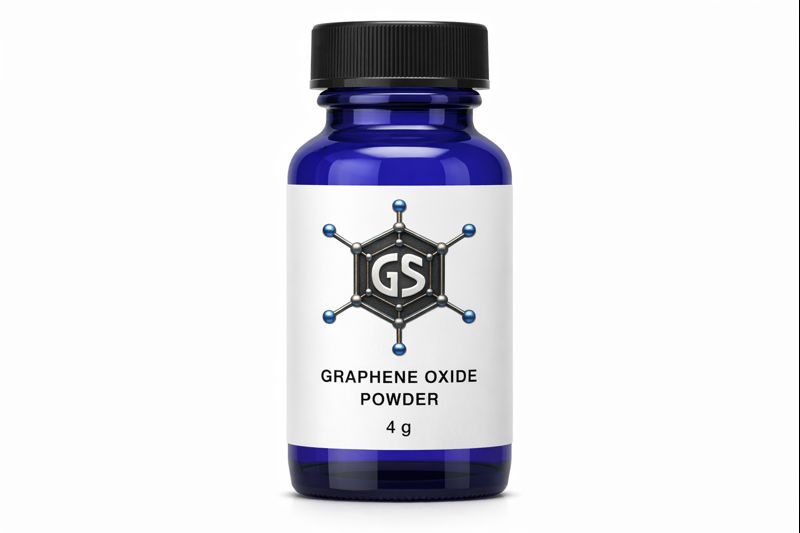
For example, if a project demands high durability in a wet environment, choosing a graphene oxide paste may be beneficial due to its superior adhesion and moisture resistance. Consulting with experts or suppliers can provide valuable insights into which products best meet the specific needs of a project, ensuring successful implementation of graphene technology.