Let’s be real about the limitations of traditional Ordinary Portland Cement (OPC). It’s brilliant stuff, but it has a fatal flaw: it’s brittle.
When concrete cures, it forms a crystal lattice. But in standard mixes, that lattice is full of microscopic voids. Think of it like a hard sponge. Those voids are weaknesses. They allow water, oil, and harsh de-icing acetates to seep into the core of the slab.
Once that moisture is inside, the clock starts ticking.
If you’re in a northern climate, freeze-thaw cycles expand that water and pop the surface (spalling). If you’re in a coastal environment, salt gets in and rusts the dowel bars. Eventually, you get Foreign Object Debris (FOD)—chunks of concrete breaking loose. And we all know that FOD is the enemy of jet engines.
So, what do we usually do? We patch it. We overlay it. We play a constant game of “whack-a-mole” with pavement maintenance.
But what if you could close those microscopic voids? What if you could make the slab denser, stronger, and more flexible at a molecular level?
The Solution: Reinforcement at the Nanoscale
This isn’t about just adding a different chemical admixture. This is about changing the physics of the material.
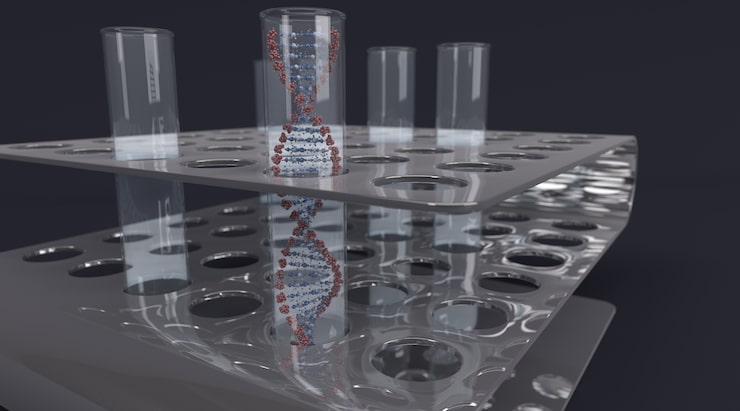
Graphene is a nanomaterial—a single layer of carbon atoms arranged in a honeycomb lattice. It is the strongest material ever discovered (about 200 times stronger than steel).
When we introduce graphene into a concrete mix, it acts as a “nucleation agent.” Essentially, it gives the cement hydration crystals something to latch onto. Instead of growing randomly and leaving gaps, the crystals grow in a tight, dense, orderly structure.
If you want to understand the deep science, you can read about how graphene strengthens concrete at a molecular level, but here is the practical result for an airfield: It turns the concrete into a shield.
By eliminating those microscopic pores, we stop the water and chemicals from getting in. We increase the tensile strength (the ability to bend without breaking) and the compressive strength (the ability to hold weight).
Our Process: Engineering for Aviation
We don’t just back a truck up and dump a bag of powder in. Aviation infrastructure requires precision. Here is how we approach a runway or taxiway project:
Load Analysis: We look at your fleet mix. Are you handling 737s or A380s? The mix design is tailored to the specific flexural strength you need.
The Mix Design: We integrate the graphene in a liquid suspension. This ensures it disperses evenly throughout the entire batch. No clumps, no weak spots.
The Pour: Graphene concrete finishes beautifully. It’s cohesive and creamy, which helps your crew get that perfect texture for friction requirements.
The Curing: This is the secret weapon for airports. Graphene accelerates the hydration process.
That last point is critical. In the airport world, time is the only currency that matters. You can’t wait 28 days for a slab to reach full strength. Because of the nucleation effect, graphene concrete ramps up strength incredibly fast.
Check out our breakdown on why graphene concrete cures faster than normal concrete. It could mean the difference between opening a taxiway on Monday morning versus waiting until Friday.
Real-World Benefits for Aviation Infrastructure
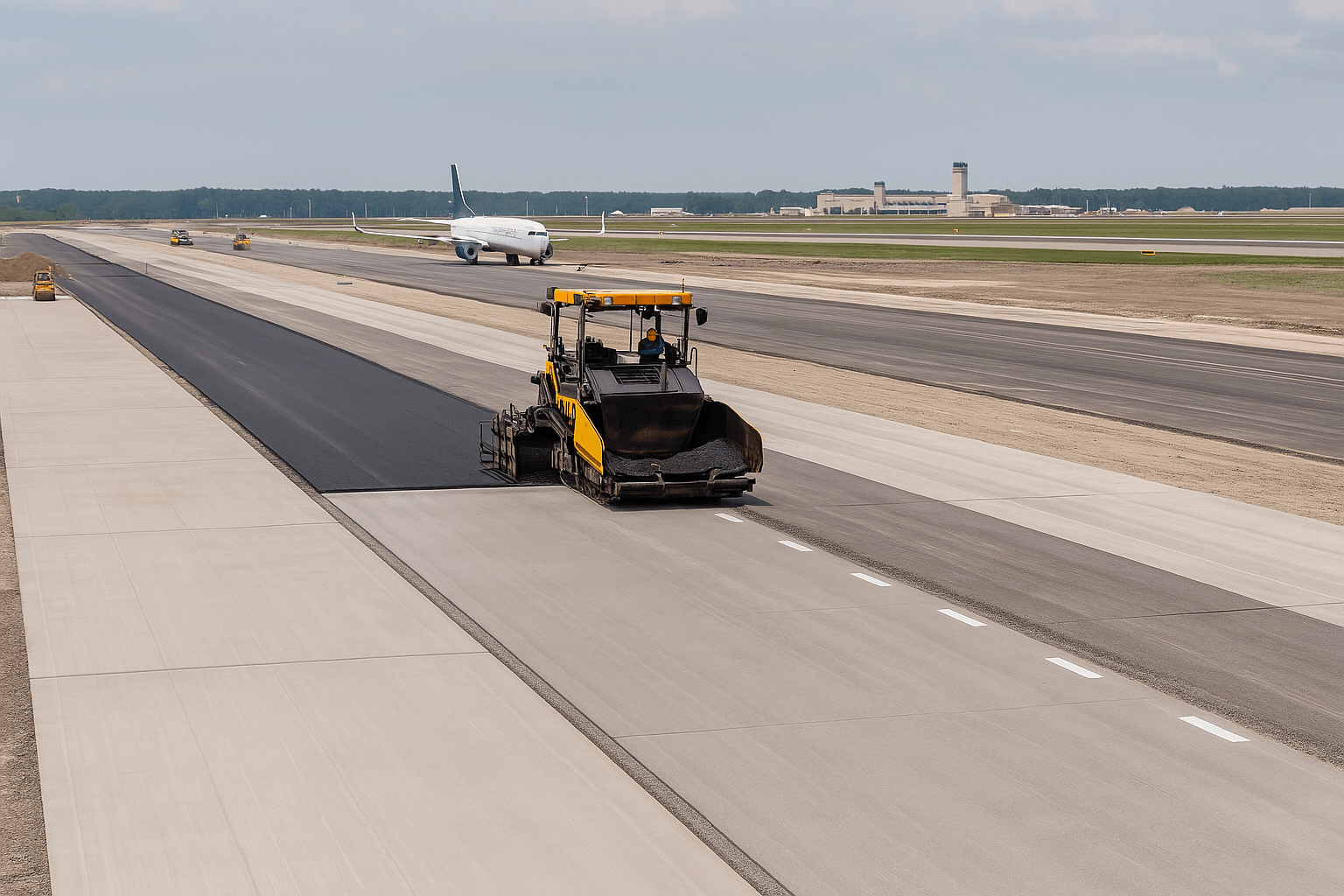
So, what does this actually look like on the tarmac? It looks like a runway that stays smooth for decades, not just years.
Here are the specific wins for airport infrastructure:
1. Massive Reduction in FOD Risks
Because the surface is tougher and more resistant to abrasion, you don’t get that surface dusting or spalling. The pavement stays intact, keeping your sweepers happy and your engines safe.
2. Resistance to De-Icing Chemicals
Glycol and alkali-acetates are brutal on concrete. They attack the chemical bonds of the cement paste. Graphene creates a dense, impermeable barrier that resists this chemical attack.
3. Thinner Slabs, Same Strength
This is a huge cost saver. Because the flexural strength is higher, engineers can often design thinner slabs to carry the same aircraft load. Less concrete means less excavation, fewer truck trips, and a lower carbon footprint.
4. Sustainability Goals
Every airport is under pressure to go green. Cement production is a huge carbon emitter. By using stronger, longer-lasting concrete, you are drastically reducing the embodied carbon of your infrastructure. It’s one of the most effective eco-friendly alternatives to traditional concrete available today.
5. Durability in Extreme Weather
Whether it’s the baking sun of Phoenix or the deep freeze of Anchorage, graphene concrete resists thermal cracking better than standard mixes. It distributes heat more evenly, preventing those internal stresses that snap slabs in half.




 Smart Applications of Graphene Concrete