Graphene Concrete Iowa Highways | Agricultural & Freight Infrastructure | The Graphene Solution

  • Home
  • Graphene Concrete Iowa Highways | Agricultural & Freight Infrastructure | The Graphene Solution

Graphene Concrete for Iowa Roadways — Built for Agricultural Loads, Harsh Winters & Freight Corridors

You know that feeling when you’re driving down I-80 or a county road near Des Moines, and suddenly the smooth ride turns into a rhythmic thump-thump-thump? It’s the sound of Iowa’s climate playing a drum solo on your tires. Our roads take an absolute beating. Between the sub-zero winters that freeze the ground solid and the humid, 90-degree summer days, the pavement is constantly expanding, contracting, and—eventually—cracking.

It’s a cycle we’ve all grown used to. We see the orange cones pop up every spring like clockwork, patching the same stretches of highway that were “fixed” just two years ago. Honestly, it feels like we’re fighting a losing battle against the frost heave. But there’s a new way to look at infrastructure that doesn’t involve just pouring the same old mix and hoping for a different result. Graphene Concrete for Roadways Construction in Iowa is changing the game by tackling the problem at a molecular level.

And look, I’m not just talking about a slight improvement. We’re talking about a fundamental shift in how roads handle the Iowa elements. By adding graphene—a layer of carbon just one atom thick—to our concrete, we’re creating a surface that’s tougher, more flexible, and significantly more waterproof.

Our Expert Process: Building for the Prairie State

I often get asked if this process is vastly different from a traditional pour. The short answer is: not for the crew on the ground, but definitely for the science behind the scenes. We’ve spent a lot of time perfecting how we integrate this technology into the specific needs of Iowa’s soil and traffic patterns.

We don’t just dump a bag of “magic powder” into a truck. It’s a precision-engineered approach. Think about it this way: we’re optimizing the concrete to ensure that the graphene strengthens concrete at a molecular level, creating a dense matrix that water simply can’t penetrate.

How We Make It Happen:

  • Custom Mix Analysis: We analyze the local aggregates to ensure the graphene bond is seamless.

  • Nano-Dispersion: We use specialized equipment to spread the graphene evenly throughout the mix, so there are no weak spots.

  • Reduced Permeability Check: We verify that the mix is dense enough to block out Iowa’s road salt and meltwater.

  • Optimized Pouring: Our teams handle the placement with standard equipment, but with adjusted timing for the faster set.

  • Thermal Monitoring: We track how the slab cures in our variable humidity to ensure maximum strength.

  • Quality Assurance: Every batch is tested to meet or exceed the rigorous standards for graphene concrete for roadways and highway construction in Iowa.

Why This Matters for the Long Haul

If you’re managing a municipal budget or a large commercial development, you know that the “cheapest” option up front usually ends up being the most expensive over ten years. Traditional concrete is a sponge. It absorbs water, the water freezes, and the road shatters.

Graphene-enhanced concrete is different. It’s significantly more resilient. But don’t just take my word for it—let’s look at how it stacks up against the industry standard we’ve been using for decades.

Comparison: Traditional vs. Graphene Roadways

Performance MetricStandard Iowa ConcreteGraphene-Enhanced Concrete
Tensile StrengthBaseline30% to 50% Higher
Water AbsorptionHigh (leads to frost heave)Extremely Low (Water-resistant)
Salt ResistanceModerate (prone to scaling)High (resists chemical damage)
Cure Time28 Days (Standard)7-14 Days (Accelerated)
Environmental ImpactHigh Carbon FootprintLower (Uses up to 30% less cement)
Maintenance CycleMajor repairs every 5-7 yearsMinor checks every 12-15 years
Graphene Solution logo featuring a molecular structure symbolizing innovative graphene-enhanced concrete technology.Smart Applications of Graphene Concrete

Breakthrough Uses of Graphene in Modern Construction

At The Graphene Solution, we believe that innovation begins with material science. Our graphene-infused concrete is leading the way in sustainable, high-performance infrastructure across various sectors. This powerful technology doesn’t just strengthen construction — it redefines what’s possible in terms of longevity, safety, and efficiency. Below, discover the ten most impactful uses of graphene concrete across industries that demand excellence.

High-Rise Buildings

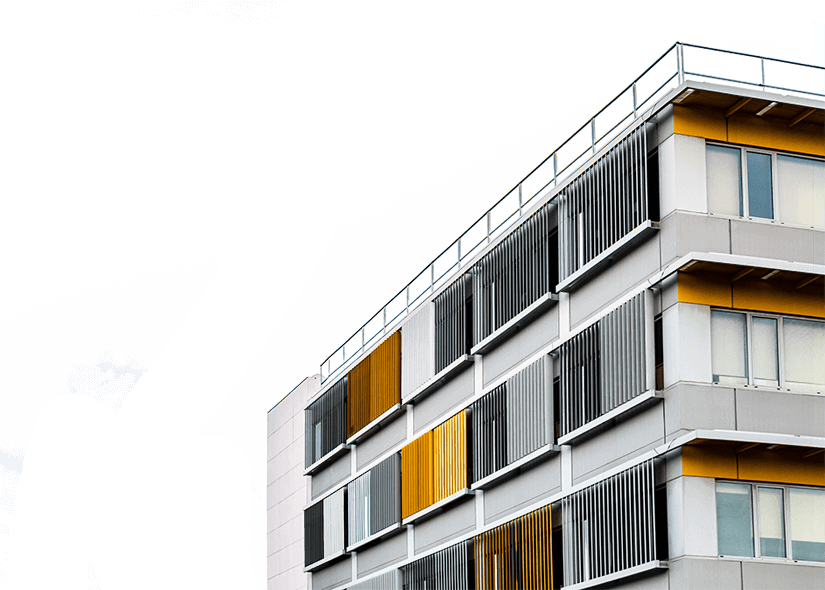
Graphene-enhanced concrete provides the superior compressive strength needed for tall, modern skyscrapers. Its lightweight properties and structural stability reduce the load on foundations while enhancing safety in seismic zones.

Bridges and Overpasses

In critical infrastructure like bridges, graphene adds durability and crack resistance. It ensures longer lifespans with reduced maintenance, even under heavy loads and extreme weather conditions.

Roadways and Highways

Graphene concrete helps roads last longer by resisting cracking and surface wear. It's ideal for busy highways where traffic and climate changes typically cause rapid deterioration.

Marine Structures

From piers to seawalls, graphene protects concrete from saltwater corrosion. It significantly improves the longevity of marine structures by resisting moisture and harsh coastal conditions.

Dams and Reservoirs

Graphene-infused concrete ensures leak-proof construction in water retention systems. Its impermeability and high strength make it perfect for dams, spillways, and reservoirs.

Nuclear and Energy Infrastructure

Safety is non-negotiable in nuclear and energy projects. Graphene-enhanced concrete offers unmatched fire resistance and structural integrity, critical for power stations and reactor containment.

Tunnel Construction

Underground environments demand resilient materials. Graphene concrete excels in tunnel construction, offering faster curing times, high load resistance, and long-term durability.

Residential and Commercial Buildings

For everyday construction, graphene offers eco-friendly, cost-effective solutions. It’s ideal for foundations, walls, and slabs in both commercial and residential settings, reducing material waste and emissions.

Industrial Facilities

Warehouses, factories, and heavy-duty plants benefit from graphene’s load-bearing strength and resistance to chemicals. It ensures longer-lasting floors and structural components in demanding industrial zones.

Airport Infrastructure

From runways to terminals, graphene concrete supports aviation’s demanding needs. Its toughness under high traffic and weather fluctuations makes it a go-to for modern airport development.

Trusting the Tech (and the Team)

I get it—graphene sounds like “future talk.” But we’ve been working with this material long enough to know it’s the real deal. We aren’t just selling a product; we’re providing a localized engineering solution. We carry all the necessary state-specific licenses, insurance, and certifications required for major roadway projects in Iowa.

We believe in transparency. We share our data, we show our work, and we stand by every pour with a solid warranty. We’ve seen how graphene improves durability and lifespan in the toughest Midwestern conditions, and we’re confident it’s the best choice for our state’s future.

Ready to Build a Better Road?

Look, we’ve all dealt with the frustration of crumbling roads and endless detours. It’s time to move past the temporary fixes. Whether you’re a city planner in Ames or a developer in the Quad Cities, you deserve infrastructure that actually stands up to the Iowa climate.

We’re here to help you make that happen. We can provide a full cost-benefit analysis for your specific location and show you exactly how this technology will save you money and headaches in the long run.

Would you like me to put together a custom durability report for your upcoming roadway project? Schedule Service with us today and let’s get to work on something that lasts.

Iowa's Agricultural Overload Problem & Graphene Concrete

Iowa’s transportation infrastructure faces unique stress from the state’s massive agricultural economy and seasonal freight demands. During corn and soybean harvest periods, many Iowa counties temporarily permit overweight agricultural trucks weighing up to 140,000 pounds on designated rural transportation routes. These repeated heavy-load cycles place enormous pressure on conventional concrete roads that were not originally designed for sustained overload conditions. As a result, many rural pavements experience accelerated cracking, rutting, joint failure, and structural deterioration within relatively short service periods. Graphene-enhanced concrete offers a potential long-term solution by improving compressive strength, reducing crack formation, and increasing durability under continuous heavy-load transportation conditions. Longer-lasting roadway systems could help counties reduce maintenance expenses and minimize disruptions during critical agricultural transportation seasons. Iowa’s combination of heavy freight movement, freeze-thaw exposure, and rural infrastructure demands makes advanced concrete technologies particularly relevant. Explore regional transportation developments in neighboring Kansas, broader Midwest infrastructure projects in Ohio, and advanced graphene roadway construction benefits.

Iowa DOT & Innovative Concrete

Iowa has one of the strongest concrete construction cultures in the United States, making it an important market for advanced infrastructure materials and performance-based pavement technologies. The Iowa Department of Transportation has a long history of supporting concrete innovation through research partnerships, field testing, and engineering evaluations. Iowa State University’s Center for Transportation Research and Education (CTRE) is nationally recognized for transportation infrastructure research and has contributed significantly to advancements in pavement engineering and long-term durability studies. Because Iowa already prioritizes concrete roadway systems in many transportation projects, graphene-enhanced concrete may have stronger adoption potential here than in states dominated by asphalt pavement strategies. Improved compressive strength, freeze-thaw durability, and crack resistance align closely with Iowa’s infrastructure performance goals for heavily trafficked rural and agricultural corridors. Learn more about advanced graphene bridge construction applications and durable graphene concrete protection technologies.

FAQ: Graphene Concrete for Iowa

Can graphene concrete handle Iowa's harvest-season agricultural truck overloads?

Yes. Graphene-enhanced concrete is designed to improve compressive strength and structural durability, making it more capable of resisting cracking and deformation caused by repeated heavy agricultural truck traffic.

How does graphene concrete perform in Iowa's freeze-thaw climate?

Graphene concrete helps reduce moisture intrusion and improve freeze-thaw resistance, which may extend pavement lifespan and reduce winter-related cracking and deterioration across Iowa transportation systems.

Is Iowa DOT open to innovative concrete admixtures?

Iowa DOT has a strong history of supporting transportation research and performance-based material evaluation, making innovative concrete technologies a realistic area for continued testing and infrastructure development.

What Iowa highway projects could benefit most from graphene concrete?

Agricultural freight corridors, rural county roads, heavily trafficked farm-to-market routes, bridge infrastructure, and major transportation connectors exposed to seasonal overload traffic may benefit most from graphene-enhanced concrete systems.

Need More Info?

Frequently Asked Questions

Absolutely. Graphene is a stable form of carbon. Once it’s locked into the concrete matrix, it isn’t going anywhere. It’s actually more eco-friendly because it lasts longer and requires less cement production.

Initially, the mix is a bit more per yard. However, because the road lasts significantly longer and requires less maintenance (and often less material per square foot), the "total cost of ownership" is usually much lower than traditional paving.

Yes! Bridge decks are actually one of the best places for it. They are exposed to the elements on both sides and get hit hardest by road salt. Graphene’s resistance to water and chemicals makes it ideal for bridge longevity.

Iowa roads have to handle some heavy loads. Graphene increases the flexural strength of the concrete, meaning it can "give" slightly under heavy weight without cracking, which is perfect for rural and agricultural routes.
Graphene concrete for dam construction, highlighting durability and watertight properties for modern infrastructure.
Graphene-enhanced concrete applications in dam construction showcasing durability and sustainability benefits.
Graphene Solution logo featuring a molecular structure symbolizing innovative graphene-enhanced concrete technology.UPDATES AND NEWS

Explore the Latest in Graphene Concrete Innovation

Stay informed with expert insights, industry news, and project breakthroughs from The Graphene Solution. Our blog covers everything from graphene applications in construction to sustainable building trends and performance tips—designed to help you build smarter.