Graphene Concrete for Colorado Highways: Durable, Eco-Friendly Roads

  • Home
  • Graphene Concrete for Roadways in Colorado – Sustainable Highway Construction

Graphene Concrete for Colorado Highways & Road Construction

The “Spring Surprise” We’re All Tired Of

It happens every year like clockwork. You’re driving down I-25 through Denver, or maybe you’re heading up the I-70 corridor for a weekend in the mountains. The snow melts, the sun comes out for one of those beautiful 60-degree “False Spring” days, and suddenly—thud.

You hit a pothole that looks like it could swallow a Mini Cooper.

If you live in Colorado, you know this cycle intimately. We have a saying here: “Don’t like the weather? Wait five minutes.” While that variability makes living here exciting, it absolutely destroys our infrastructure. The constant freeze-thaw cycles—where water seeps into the road, freezes at night, expands, and cracks the pavement—are relentless.

And let’s be honest, it’s frustrating. It feels like as soon as the cones come down from one construction project, they go right back up because the “new” road is already spalling or heaving. We pour millions into repairs every summer, racing against the first snowfall in October, only to watch that work deteriorate by the following March.

The Solution: Graphene-Enhanced Concrete

This isn’t about reinventing the wheel; it’s about making the wheel virtually indestructible.

Graphene is a nanomaterial. It’s a layer of carbon just one atom thick. But don’t let the size fool you. It is roughly 200 times stronger than steel.

When we introduce a graphene admixture into the concrete mix, it changes the game entirely. It doesn’t just sit in the mix like a piece of rebar; it integrates into the hydration process. It acts as a binding agent that locks the cement particles together much more tightly than they would naturally sit.

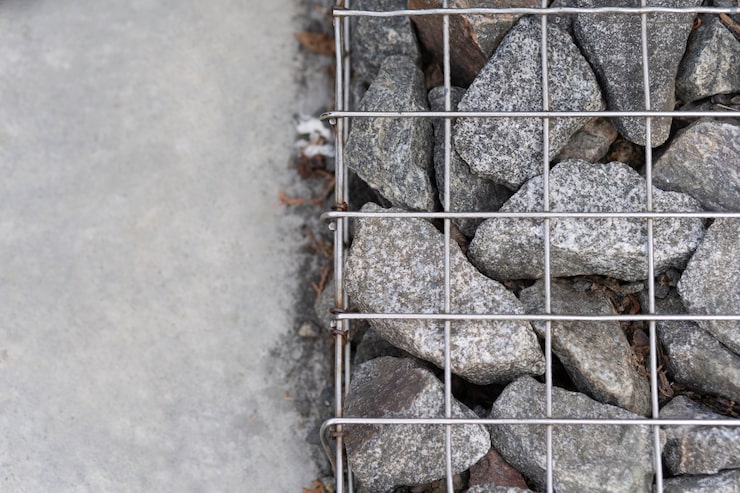
Think of it like this: Traditional concrete is like a chain-link fence. It’s strong, but stuff can get through it (like water and salt). Graphene-enhanced concrete is like taking that fence and plating it with armor.

Here is how our process works for Colorado projects:

  • Custom Analysis: We look at where you’re pouring. A bridge deck on Vail Pass has different needs than a residential street in Fort Collins. We adjust the mix design accordingly.

  • Seamless Integration: We don’t need to overhaul the batch plant. The graphene solution is added directly to the truck or the mix water. It’s a simple logistical step with a massive payoff.

  • The Pour: Your crews don’t need special training. It pumps, screeds, and finishes just like the concrete they’ve been pouring for years.

  • Accelerated Curing: In our short construction season, time is money. Graphene often speeds up the hydration process, allowing you to reach structural strength faster and get the road open sooner.

  • Performance Verification: We help you test the mix to prove it meets the rigorous CDOT or municipal standards required for the job.

Proof That It Works in the Real World

I know what you might be thinking. “New technology sounds expensive and risky.”

But let’s look at the risk of not changing. The risk is continued failure.

When you use graphene, you aren’t just getting “stronger” concrete. You are getting concrete that is fundamentally less permeable. Because the graphene matrix is so dense, it blocks water migration.

If water can’t get in, it can’t freeze and blow the concrete apart. If Mag-Chloride can’t soak in, it can’t eat the rebar.

Imagine paving a section of Highway 36. Usually, you’d worry about surface scaling within three years due to the plows and the chemicals. With graphene, the surface abrasion resistance is significantly higher. The road stays smooth. The rebar stays protected.

The Colorado Comparison

Let’s break down the difference between what we usually pour and what we could be pouring.

FeatureStandard CDOT Class D/P MixGraphene-Enhanced MixWhy It Matters in Colorado
Freeze-Thaw DurabilityModerate. Prone to micro-cracking over time.Superior. High resistance to thermal cycling.Drastically reduces spring pothole formation.
Water PermeabilityPorous structure allows ingress.Hydrophobic properties; very low permeability.Stops the “ice wedging” that breaks roads apart.
Tensile StrengthLow. Relies heavily on rebar.Significantly Improved.Resists cracking from shifting bentonite soils.
Chemical ResistanceVulnerable to chlorides (de-icers).High resistance to chemical attack.Protects against Mag-Chloride corrosion.
Curing TimeStandard (28 days to full strength).Accelerated.Helps beat the unpredictable weather windows.
Graphene Solution logo featuring a molecular structure symbolizing innovative graphene-enhanced concrete technology.Smart Applications of Graphene Concrete

Breakthrough Uses of Graphene in Modern Construction

At The Graphene Solution, we believe that innovation begins with material science. Our graphene-infused concrete is leading the way in sustainable, high-performance infrastructure across various sectors. This powerful technology doesn’t just strengthen construction — it redefines what’s possible in terms of longevity, safety, and efficiency. Below, discover the ten most impactful uses of graphene concrete across industries that demand excellence.


High-Rise Buildings

Graphene-enhanced concrete provides the superior compressive strength needed for tall, modern skyscrapers. Its lightweight properties and structural stability reduce the load on foundations while enhancing safety in seismic zones.

Bridges and Overpasses

In critical infrastructure like bridges, graphene adds durability and crack resistance. It ensures longer lifespans with reduced maintenance, even under heavy loads and extreme weather conditions.

Roadways and Highways

Graphene concrete helps roads last longer by resisting cracking and surface wear. It's ideal for busy highways where traffic and climate changes typically cause rapid deterioration.

Marine Structures

From piers to seawalls, graphene protects concrete from saltwater corrosion. It significantly improves the longevity of marine structures by resisting moisture and harsh coastal conditions.

Dams and Reservoirs

Graphene-infused concrete ensures leak-proof construction in water retention systems. Its impermeability and high strength make it perfect for dams, spillways, and reservoirs.

Nuclear and Energy Infrastructure

Safety is non-negotiable in nuclear and energy projects. Graphene-enhanced concrete offers unmatched fire resistance and structural integrity, critical for power stations and reactor containment.

Tunnel Construction

Underground environments demand resilient materials. Graphene concrete excels in tunnel construction, offering faster curing times, high load resistance, and long-term durability.

Residential and Commercial Buildings

For everyday construction, graphene offers eco-friendly, cost-effective solutions. It’s ideal for foundations, walls, and slabs in both commercial and residential settings, reducing material waste and emissions.

Industrial Facilities

Warehouses, factories, and heavy-duty plants benefit from graphene’s load-bearing strength and resistance to chemicals. It ensures longer-lasting floors and structural components in demanding industrial zones.

Airport Infrastructure

From runways to terminals, graphene concrete supports aviation’s demanding needs. Its toughness under high traffic and weather fluctuations makes it a go-to for modern airport development.

Why Traditional Concrete Can’t Handle the High Country

To understand why our roads fail, you have to look at what they’re up against. Colorado isn’t just “cold.” It’s volatile.

Standard concrete is porous. It has tiny, microscopic holes. When snow melts during the day, water fills those holes. When the temperature drops below freezing at night—which happens here hundreds of times a year—that water turns to ice and expands by about 9%.

That expansion creates massive internal pressure. It’s like a slow-motion explosion happening inside the road.

And then there’s the “Mag-Chloride Factor.” We use magnesium chloride to de-ice the roads because it works well at low temperatures. But it’s chemically aggressive. It eats away at the cement paste in traditional concrete, leading to that rough, crumbling surface we all know too well.

When you combine those factors with the heavy freight traffic hauling goods over the Divide, and the expansive bentonite clay soils we have along the Front Range, you have a recipe for failure.

If we keep building with standard mixes, we’re just signing ourselves up for more traffic jams, more vehicle damage claims, and more tax dollars spent on patching the same stretches of highway over and over again.

Let’s Pave a Path Forward

We have a choice. We can keep patching the same holes on Colfax Avenue and I-70, complaining about the traffic and the budget deficits. Or, we can start building with a material that is actually engineered to survive in Colorado.

Graphene concrete represents a shift from “maintenance mode” to “legacy mode.” It allows us to build infrastructure that our kids will drive on, not just roads that will need fixing before they graduate high school.

Whether you are a municipal planner looking at city streets, a private developer working on a commercial lot, or a heavy highway contractor, the data is clear. Durability is the only way forward.

If you have a project coming up, let’s talk specs. I’d love to show you how easy it is to integrate this into your current workflow and what it can do for your bottom line.

Ready to build roads that can actually handle the Rockies?Schedule a service consultation today, and let’s get to work on a stronger Colorado.

Need More Info?

Frequently Asked Questions About Graphene Concrete in Colorado

Colorado’s unique geography presents demanding conditions for concrete performance — fluctuating freeze–thaw cycles, de-icing salt exposure, and high UV radiation. Graphene concrete, powered by The Graphene Solution’s graphene oxide technology, addresses these issues through advanced molecular reinforcement. The result is stronger, longer-lasting roadways that require less maintenance and provide enhanced sustainability benefits. Contractors across the state are turning to graphene concrete to improve resilience and extend infrastructure lifespans by decades. With increased focus on environmentally responsible construction, many Colorado engineers and municipalities are exploring how graphene-enhanced concrete can balance performance with sustainability. Below are comprehensive answers to common questions about graphene technology, cost efficiency, and integration into Colorado’s road construction processes.

Absolutely. In fact, bridge decks are one of the best applications for it. Bridges freeze before roads do, meaning they get salted more often and endure more thermal stress. Graphene’s flexibility and impermeability make it ideal for protecting the structural integrity of bridges.

No. This is a common misconception. The workability is generally excellent. In some cases, the slump retention is actually better than standard mixes, which helps when you’re trucking concrete long distances in traffic.

The abrasion resistance of graphene concrete is significantly higher than standard mixes. It holds up much better against the physical grinding of steel plow blades and tire chains.

Yes. Graphene is carbon. It is non-toxic. Once it is locked into the concrete matrix, it is inert. You can read more about how graphene improves durability and lifespan to see the long-term environmental benefits.
Graphene concrete for dam construction, highlighting durability and watertight properties for modern infrastructure.
Graphene-enhanced concrete applications in dam construction showcasing durability and sustainability benefits.
Graphene Solution logo featuring a molecular structure symbolizing innovative graphene-enhanced concrete technology.UPDATES AND NEWS

Explore the Latest in Graphene Concrete Innovation

Stay informed with expert insights, industry news, and project breakthroughs from The Graphene Solution. Our blog covers everything from graphene applications in construction to sustainable building trends and performance tips—designed to help you build smarter.