Connecticut’s construction landscape presents distinctive challenges that demand innovative solutions beyond traditional building materials. From the coastal communities facing harsh saltwater exposure to the aging infrastructure in urban centers, Connecticut requires construction materials that can withstand decades of environmental stress while meeting the state’s stringent environmental standards. Our advanced graphene concrete is specifically designed to meet Connecticut’s harsh environmental demands, providing improved resilience and longevity for sustainable construction. By incorporating graphene nanoparticles into traditional concrete mixtures, we’ve developed a composite material that offers exceptional strength, durability, and environmental benefits that align perfectly with Connecticut’s commitment to sustainable development and infrastructure resilience.
The implementation of graphene-enhanced concrete in Connecticut represents a significant advancement in construction technology that addresses the state’s specific needs. From historic preservation projects in New Haven to waterfront developments along the Long Island Sound, our advanced concrete solutions provide exceptional performance across Connecticut’s diverse construction environments. The material’s enhanced tensile strength and reduced porosity offer superior resistance to freeze-thaw cycles that cause deterioration in traditional concrete, particularly important throughout Connecticut where winter conditions can be severe. In coastal areas, the enhanced resistance to saltwater exposure provides critical protection against the corrosion that typically affects reinforced concrete structures. As Connecticut continues to invest in infrastructure modernization and sustainable development, graphene-enhanced concrete emerges as a forward-thinking solution that extends service life while reducing long-term maintenance requirements.
Connecticut’s extensive coastline along Long Island Sound presents unique challenges for construction projects, with constant exposure to saltwater, humidity, and storm surges that can rapidly deteriorate traditional building materials. Graphene-enhanced concrete offers superior performance in these demanding coastal conditions, providing exceptional resistance to saltwater corrosion and moisture penetration that compromise conventional structures. For Connecticut’s coastal communities, where sea-level rise and increased storm intensity present growing threats, this innovative material provides a robust solution for resilient infrastructure that can withstand environmental pressures while maintaining structural integrity. The material’s reduced permeability significantly limits the penetration of chloride ions from saltwater, which are the primary cause of reinforcement rust and concrete deterioration in marine environments, extending the service life of coastal structures by decades compared to traditional concrete.
Connecticut’s urban centers are undergoing significant transformation, with renewed focus on sustainable development that balances growth with environmental stewardship. Graphene-enhanced concrete represents a cornerstone of eco-friendly construction practices for these urban renewal projects, offering numerous environmental benefits that align with Connecticut’s ambitious climate goals and sustainability initiatives. This innovative material requires less cement to achieve superior strength, resulting in a reduced carbon footprint that directly supports Connecticut’s commitment to reducing greenhouse gas emissions across all sectors. For urban projects seeking LEED certification or recognition through programs like the Connecticut Green Building Council, the use of graphene-enhanced concrete can contribute significantly to achieving sustainability goals through material efficiency and lifecycle performance. The material’s longevity also means that fewer resources are consumed over time for repairs and replacements, creating a more sustainable lifecycle for urban infrastructure projects.
Smart Applications of Graphene Concrete
At The Graphene Solution, we believe that innovation begins with material science. Our graphene-infused concrete is leading the way in sustainable, high-performance infrastructure across various sectors. This powerful technology doesn’t just strengthen construction — it redefines what’s possible in terms of longevity, safety, and efficiency. Below, discover the ten most impactful uses of graphene concrete across industries that demand excellence.
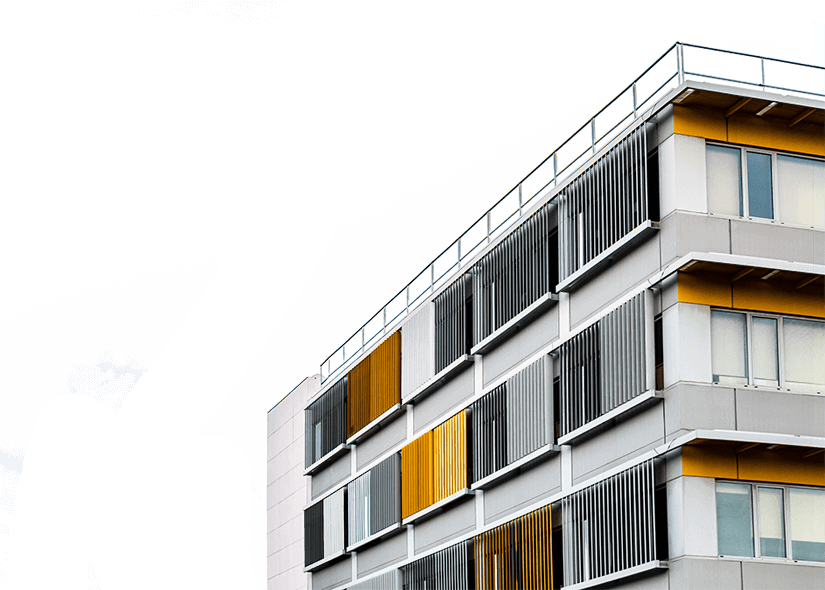
Graphene-enhanced concrete provides the superior compressive strength needed for tall, modern skyscrapers. Its lightweight properties and structural stability reduce the load on foundations while enhancing safety in seismic zones.
In critical infrastructure like bridges, graphene adds durability and crack resistance. It ensures longer lifespans with reduced maintenance, even under heavy loads and extreme weather conditions.
Graphene concrete helps roads last longer by resisting cracking and surface wear. It's ideal for busy highways where traffic and climate changes typically cause rapid deterioration.
From piers to seawalls, graphene protects concrete from saltwater corrosion. It significantly improves the longevity of marine structures by resisting moisture and harsh coastal conditions.
Graphene-infused concrete ensures leak-proof construction in water retention systems. Its impermeability and high strength make it perfect for dams, spillways, and reservoirs.
Safety is non-negotiable in nuclear and energy projects. Graphene-enhanced concrete offers unmatched fire resistance and structural integrity, critical for power stations and reactor containment.
Underground environments demand resilient materials. Graphene concrete excels in tunnel construction, offering faster curing times, high load resistance, and long-term durability.
For everyday construction, graphene offers eco-friendly, cost-effective solutions. It’s ideal for foundations, walls, and slabs in both commercial and residential settings, reducing material waste and emissions.
Warehouses, factories, and heavy-duty plants benefit from graphene’s load-bearing strength and resistance to chemicals. It ensures longer-lasting floors and structural components in demanding industrial zones.
From runways to terminals, graphene concrete supports aviation’s demanding needs. Its toughness under high traffic and weather fluctuations makes it a go-to for modern airport development.
Connecticut’s infrastructure, particularly its transportation networks and bridges, requires significant investment to address decades of wear and environmental exposure. Graphene-enhanced concrete offers innovative solutions for these infrastructure modernization projects, providing exceptional durability and performance that extend service life while reducing maintenance requirements. For Connecticut’s bridge rehabilitation projects, where salt exposure from winter road treatments causes rapid deterioration of traditional concrete, graphene-enhanced concrete provides superior resistance to chemical corrosion and freeze-thaw cycles. The material’s enhanced tensile strength also allows for more innovative bridge designs that can accommodate increased traffic loads while reducing material requirements, creating more efficient and sustainable infrastructure solutions. As Connecticut continues to invest in modernizing its transportation networks, graphene-enhanced concrete emerges as a forward-thinking solution that addresses both immediate repair needs and long-term durability requirements.
While the initial cost of graphene-enhanced concrete may be higher than traditional materials, the long-term economic benefits make it a wise investment for Connecticut’s construction projects. The extended service life and reduced maintenance requirements of structures built with this material result in significant lifecycle cost savings, often offsetting the initial premium within 10-15 years. For Connecticut’s municipal projects, where budget constraints require careful allocation of taxpayer dollars, these reduced lifecycle costs mean that infrastructure investments stretch further, allowing communities to address more needs with limited resources. The enhanced durability of graphene-enhanced concrete also means fewer disruptions for repairs, minimizing traffic delays and economic impacts on businesses and residents. In Connecticut’s competitive real estate market, buildings constructed with graphene-enhanced concrete can command premium prices due to their superior quality, durability, and sustainability credentials.
As interest in graphene-enhanced concrete grows across Connecticut's construction industry, we've compiled answers to the most common questions about this revolutionary material. Whether you're a contractor in Bridgeport, a developer in Hartford, or a municipal planner in a coastal community, understanding the capabilities and implementation requirements of this technology is essential for making informed decisions. The following FAQs address specific concerns relevant to Connecticut's construction conditions, including performance in the state's coastal environment, compatibility with local building codes, and availability throughout the state. Our goal is to provide comprehensive information that helps Connecticut construction professionals leverage this innovative technology effectively while avoiding common implementation pitfalls. The adoption of graphene-enhanced concrete in Connecticut represents a significant evolution in construction practices, bringing advanced material science to the state's unique building challenges.
UPDATES AND NEWSStay informed with expert insights, industry news, and project breakthroughs from The Graphene Solution. Our blog covers everything from graphene applications in construction to sustainable building trends and performance tips—designed to help you build smarter.