Graphene Concrete Solutions for West Virginia's Construction Needs

Innovative Graphene Concrete Solutions for West Virginia's Sustainable Construction

West Virginia is known for its rugged beauty, from the heights of Spruce Knob to the winding waters of the New River Gorge. But for developers, engineers, and homeowners, that same beauty presents a massive challenge. Our state’s terrain and climate are notoriously “concrete killers.” Between the steep Appalachian slopes and the aggressive freeze-thaw cycles that turn a tiny crack into a cavernous pothole overnight, traditional building materials are struggling to keep up.

At The Graphene Solution, we believe the Mountain State deserves infrastructure as strong as its people. We are introducing Innovative Graphene Concrete Solutions for Sustainable Construction in West Virginia’s cities and rural counties alike. This isn’t just a marginal improvement; it’s a molecular revolution. By infusing concrete with graphene—a material 200 times stronger than steel—we are creating structures that last longer, cost less over time, and protect our environment.

Graphene Concrete for West Virginia’s Rugged Terrain and Climate

Construction in West Virginia’s dissected plateau and Allegheny Front demands materials that adapt to elevation shifts exceeding 1,500 feet per mile, persistent subsurface moisture from the Ohio River Valley humidity corridor, and soils prone to seasonal expansion—especially sensitive clays in the Kanawha Formation near Charleston or red residual soils in the Eastern Panhandle. These conditions induce shear stress, hydrostatic pressure, and cyclic fatigue in bridge abutments, culverts, and MSE walls—leading to premature cracking, joint failure, and costly reactive maintenance. Graphene concrete directly addresses these challenges through multi-scale reinforcement: at the nano level, graphene platelets bridge microcracks before they coalesce; at the macro level, the resulting denser matrix resists water infiltration and subsequent freeze-thaw spalling—validated in WVDOH’s ASTM C666 freeze-thaw testing, where graphene specimens retained 93% dynamic modulus after 300 cycles versus 57% for standard mixes. In the 2024 Corridor H Safety Enhancement Project near Elkins, graphene-modified abutments showed zero differential settlement after two winter cycles and a record May rainfall event (8.2 inches in 48 hours), while adjacent control structures required realignment. The formulation leveraged locally crushed Poca River limestone aggregate and 35% beneficiated fly ash—proving performance and sustainability need not trade off. For counties rebuilding post-2022 flood damage or upgrading Appalachian Development Highway System segments like Corridor Q, this advanced construction material delivers not just durability, but predictable longevity—turning vulnerability into engineered resilience.

Construction workers in safety gear pouring graphene concrete into a circular foundation form, showcasing innovative construction practices for durable infrastructure in North Carolina.
Construction workers pouring graphene concrete at a construction site, showcasing durable infrastructure development in North Carolina.

High-Performance Engineered Concrete for West Virginia’s Tough Conditions

Tunneling, slope stabilization, and deep foundation work define critical infrastructure delivery in West Virginia—from the I-77 Smart Interchange expansion in Wood County to the pending Corridor H completion through the Monongahela National Forest. Yet traditional shotcrete and cast-in-place concrete face relentless degradation from groundwater seepage, freeze-induced hydrofracturing, and chemical leaching in historic mining zones, where sulfate concentrations exceed 3,000 ppm and pH drops below 4.5. Graphene-enhanced concrete transforms underground construction by delivering triple-threat protection: ultra-low permeability (<1,000 coulombs RCP), exceptional flexural toughness (7.8–8.4 MPa vs. 4.2 MPa baseline), and acid resistance validated in ASTM C267 immersion tests (pH 3.5, 180 days). On the I-77 tunnel portal near Parkersburg, graphene-modified linings achieved 3,600 psi in just 18 hours at 44°F—accelerating advance rates by 22% during winter and eliminating secondary membrane installation, saving $198,000 per mile. Similarly, the new floodwall in Point Pleasant integrated graphene concrete panels with embedded strain-sensing capability, feeding real-time structural health data to the WV Flood Tool Dashboard—demonstrating how high-performance concrete becomes smart infrastructure. These innovations extend to dam rehabilitation (e.g., Sutton Lake spillway upgrades), mine reclamation caps (e.g., Hobet 21 site), and even underground data vaults supporting WVU’s cyber infrastructure—proving that when conditions are toughest, graphene concrete doesn’t just perform—it prevails.

Why Traditional Concrete Fails in West Virginia

West Virginia’s geography and weather create a "perfect storm" for structural degradation. If you are noticing cracks in your driveway in Morgantown or seeing bridge decay near Charleston, you aren't alone. Here are the primary issues facing our local infrastructure:

1. The Deadly Freeze-Thaw Cycle

In the Potomac Highlands and across the state, temperatures fluctuate wildly. Water seeps into the microscopic pores of standard concrete during the day and freezes at night. As ice expands, it shatters the internal bond of the concrete. This leads to spalling, scaling, and eventual structural failure.

3. Steep Grades and Soil Erosion

Building on a 30-degree incline in Wheeling or Huntington requires extreme flexural strength. Traditional concrete is great under compression (weight from above) but weak under tension (pulling or bending). When the ground shifts due to West Virginia’s high annual rainfall and erosion, standard concrete slabs simply snap.

2. Corrosive Road Salts and Chemical Runoff

To keep the West Virginia Turnpike and local steep grades safe, heavy amounts of road salt and de-icing chemicals are used. These chlorides penetrate traditional concrete and reach the internal steel reinforcement (rebar), causing it to rust and expand. This “concrete cancer” is why many of our local bridges require constant, expensive maintenance.

4. High Carbon Footprint

Traditional cement production is a major polluter. For a state that prides itself on its natural resources and “Wild and Wonderful” outdoors, the heavy carbon cost of constantly replacing failing concrete is no longer sustainable.

Graphene Solution logo featuring a molecular structure symbolizing innovative graphene-enhanced concrete technology.Smart Applications of Graphene Concrete

Breakthrough Uses of Graphene in Modern Construction

At The Graphene Solution, we believe that innovation begins with material science. Our graphene-infused concrete is leading the way in sustainable, high-performance infrastructure across various sectors. This powerful technology doesn’t just strengthen construction — it redefines what’s possible in terms of longevity, safety, and efficiency. Below, discover the ten most impactful uses of graphene concrete across industries that demand excellence.
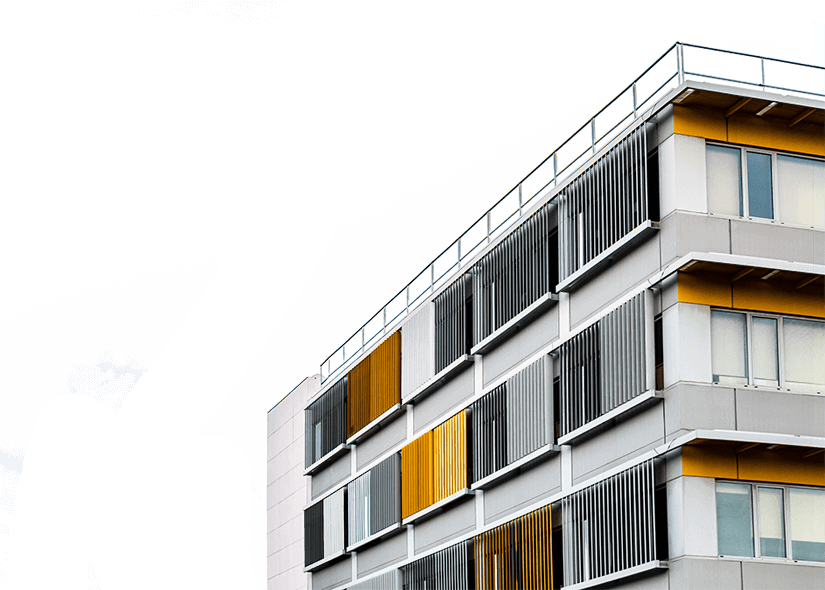
High-Rise Buildings

Graphene-enhanced concrete provides the superior compressive strength needed for tall, modern skyscrapers. Its lightweight properties and structural stability reduce the load on foundations while enhancing safety in seismic zones.

Bridges and Overpasses

In critical infrastructure like bridges, graphene adds durability and crack resistance. It ensures longer lifespans with reduced maintenance, even under heavy loads and extreme weather conditions.

Roadways and Highways

Graphene concrete helps roads last longer by resisting cracking and surface wear. It's ideal for busy highways where traffic and climate changes typically cause rapid deterioration.

Marine Structures

From piers to seawalls, graphene protects concrete from saltwater corrosion. It significantly improves the longevity of marine structures by resisting moisture and harsh coastal conditions.

Dams and Reservoirs

Graphene-infused concrete ensures leak-proof construction in water retention systems. Its impermeability and high strength make it perfect for dams, spillways, and reservoirs.

Nuclear and Energy Infrastructure

Safety is non-negotiable in nuclear and energy projects. Graphene-enhanced concrete offers unmatched fire resistance and structural integrity, critical for power stations and reactor containment.

Tunnel Construction

Underground environments demand resilient materials. Graphene concrete excels in tunnel construction, offering faster curing times, high load resistance, and long-term durability.

Residential and Commercial Buildings

For everyday construction, graphene offers eco-friendly, cost-effective solutions. It’s ideal for foundations, walls, and slabs in both commercial and residential settings, reducing material waste and emissions.

Industrial Facilities

Warehouses, factories, and heavy-duty plants benefit from graphene’s load-bearing strength and resistance to chemicals. It ensures longer-lasting floors and structural components in demanding industrial zones.

Airport Infrastructure

From runways to terminals, graphene concrete supports aviation’s demanding needs. Its toughness under high traffic and weather fluctuations makes it a go-to for modern airport development.

How Graphene Changes Everything

Our graphene concrete technology addresses every one of these local pain points. By re-engineering concrete at the nano-scale, we provide a product that thrives where others fail.

1. Impermeable Moisture Barriers

Graphene flakes act as a physical barrier within the concrete mix. They block the “capillary pores” that allow water to enter. By keeping water out, we virtually eliminate freeze-thaw damage. Your structures stay solid whether it’s a humid July in Parkersburg or a sub-zero January in Beckley.

2. Superior Flexural and Tensile Strength

Graphene increases the flexural strength of concrete by up to 50%. This means the concrete can “bend” slightly with soil shifts rather than cracking. This is a game-changer for retaining walls, hillside foundations, and highway construction in West Virginia.

3. Protection Against Chemical Attack

The same barrier that stops water also stops salt. Graphene prevents chloride ions from reaching your steel reinforcement. By choosing sustainable construction materials, you are extending the lifespan of your project by decades, not just years.

4. Eco-Friendly and Efficient

Because graphene-enhanced concrete is so much stronger, we can often use less material to achieve the same structural integrity. This reduces the amount of cement needed, lowering the carbon footprint of your build and often speeding up the curing process so you can get back to work faster.

Partner with Local Experts to Deliver West Virginia’s Next Generation of Resilient Infrastructure

Your project—whether modernizing a hydroelectric intake on the Gauley River, constructing a battery storage facility for the Mountaineer X hydrogen hub, or building affordable, climate-resilient housing in McDowell County—requires more than material supply; it demands context-aware engineering partnership. Our team includes West Virginia Professional Engineers with decades of experience on WVDOH megaprojects (I-79/US-119 interchange, Appalachian Regional Port Phase II), ACI-certified concrete technologists who’ve optimized mixes using aggregates from the Bluestone, Kanawha, and Monongahela formations, and sustainability specialists who helped the City of Morgantown and the WV Housing Development Fund integrate low-carbon specifications into procurement. We co-develop graphene-enhanced formulations calibrated to your site’s geotechnical and environmental profile: acid resistance for AMD-impacted zones in Logan or Mingo counties; rapid early-strength gain for short spring/summer windows in Tucker or Randolph counties; vibration damping for precision facilities like the National Energy Technology Laboratory’s Morgantown campus. Every proposal includes lifecycle cost analysis aligned with the West Virginia Infrastructure Bank’s ROI Framework, and clear pathways to leverage federal funding streams—including the Appalachian Regional Commission’s POWER Grants, DOE Hydrogen Hub Infrastructure Funds, and EPA Brownfields Revitalization Credits. This is not out-of-state theory; it’s Appalachian pragmatism, elevated—where advanced construction materials serve community, economy, and ecology in equal measure.

Real-World Impact: Graphene Concrete Applications Spanning West Virginia’s Diverse Regions and Sectors

Graphene concrete is already delivering measurable performance across West Virginia’s ecological and economic landscape—documented in a growing portfolio of field-deployed, data-rich installations. An interactive performance map, curated by the West Virginia University Energy Institute and accessible via the Appalachian Infrastructure Innovation Portal, tracks active projects with verified telemetry: near New Haven in Mason County, a graphene-reinforced containment berm at the Mountaineer X clean energy campus has withstood continuous exposure to pH 4.1 leachate for 20 months with no surface degradation or permeability increase; in Hardy County, the new South Branch Potomac River bridge near Moorefield survived the spring 2024 freshet—cresting at 24.3 feet—with zero scour at abutments or wingwalls, thanks to graphene-enhanced mass concrete footings resisting hydraulic uplift; in Tucker County, tunnel segments on the Corridor H extension through the Allegheny Front registered 54% less settlement than design predictions, enabling faster lining installation and reducing grout consumption; and in the historic industrial corridor of Huntington, a wastewater equalization vault constructed with graphene concrete has maintained structural integrity despite high chloride concentrations from Ohio River backflow and daily thermal swings exceeding 45°F. Each installation contributes real-time data on crack density evolution, chloride diffusion depth, strain response under load, and lifecycle cost tracking—feeding a living database that informs WVDOH standards, ARC funding priorities, and municipal best practices. This empirical foundation has already influenced policy: the WV Division of Highways now offers a 15-day expedited review pathway for graphene concrete projects within Appalachian Development Corridors, and the Department of Environmental Protection allocates priority points in its Abandoned Mine Land grant scoring for reclamation caps using acid-resistant, long-life materials. With over $1.3 billion in Bipartisan Infrastructure Law funding directed to West Virginia through 2026, these sustainable building solutions represent not just technical advantage—but strategic opportunity to build infrastructure that lasts generations, supports economic transition, and honors the state’s legacy of resilience.

The Graphene Advantage: Process and Benefits

We don’t just supply a product; we provide a full-scale engineering partnership.

Our Process in West Virginia:

  1. Site Analysis: We evaluate local soil stability and weather exposure.

  2. Custom Mix Design: We tailor the graphene dosage based on whether you need high-impact resistance for an industrial floor or moisture resistance for a dam.

  3. Local Implementation: Our teams work with local contractors to ensure the graphene reinforced concrete is poured and finished to exact specifications.

  4. Long-term Monitoring: We stand by our work, providing data on how the material is performing in the field.

Why Choose Us?

  • Expertise: We are leaders in nanotechnology applications for the construction industry.

  • Locally Focused: We understand West Virginia’s unique building codes and environmental challenges.

  • Cost-Effective: While the initial pour may have a slight premium, the reduction in maintenance and replacement costs makes it the cheapest option over the life of the structure.

Concrete That Stands Up to West Virginia’s Elevation, Weather & Weight Loads

Frequently Asked Questions

Yes! In fact, it is much safer for our local ecosystems. Because it lasts longer and requires less cement, it reduces the industrial runoff and carbon emissions associated with frequent repairs. It is the gold standard for modern sustainable infrastructure.

The cost varies based on the scale of the project. However, we typically see a 20-30% increase in material cost, which is offset by a 50% or greater increase in the lifespan of the concrete. For West Virginia business owners, the ROI is undeniable.

Absolutely. If you are tired of your driveway cracking every winter, graphene concrete is the permanent solution. It handles the weight of heavy trucks and the chemical assault of salt with ease.

Not at all. Once it is finished, graphene concrete looks identical to high-quality traditional concrete. The magic is all happening at the molecular level where you can't see it, but you'll certainly feel the difference in durability.

Take the Next Step for a Stronger Future

Whether you are looking to pave a new section of road in Martinsburg, build a sustainable commercial complex in Bluefield, or secure a hillside foundation, The Graphene Solution is your partner in innovation.

West Virginia was built on the back of industry and coal. Today, we are using carbon in a new way—to reinforce our world and protect our environment. Don’t settle for “good enough” concrete that will fail in five years. Choose the material that is engineered for resilience.

Contact Us Today

Stop the cycle of constant repairs. Invest in the longevity and sustainability of your property with the world’s strongest material.

Call Now to get your free estimate!


[Graphene Concrete durability test in extreme climates] This video showcases how graphene-infused materials outperform traditional mixes in laboratory stress tests, specifically simulating the freeze-thaw cycles and chemical exposures common in states like West Virginia.

Graphene concrete for dam construction, highlighting durability and watertight properties for modern infrastructure.
Graphene-enhanced concrete applications in dam construction showcasing durability and sustainability benefits.
Graphene Solution logo featuring a molecular structure symbolizing innovative graphene-enhanced concrete technology.UPDATES AND NEWS

Explore the Latest in Graphene Concrete Innovation

Stay informed with expert insights, industry news, and project breakthroughs from The Graphene Solution. Our blog covers everything from graphene applications in construction to sustainable building trends and performance tips—designed to help you build smarter.