Rhode Island’s construction landscape is a study in contrasts, where dense urban centers meet some of New England’s most vulnerable coastlines, creating a demand for building materials that can perform under extreme pressure. Our graphene-enhanced concrete is engineered specifically for these challenges, offering a revolutionary solution for civic projects and coastal constructions that face relentless salt exposure, punishing humidity, and urban wear. As the Ocean State confronts the accelerating impacts of climate change and grapples with aging infrastructure, the need for innovative materials has never been more critical. From the historic cobblestone streets of Providence to the hurricane-battered shores of Narragansett, traditional concrete consistently falls short, requiring costly repairs and premature replacements that strain municipal budgets and disrupt communities. Our graphene concrete solutions directly address this failure cycle, providing a high-performance alternative that extends the lifespan of critical infrastructure by decades, safeguarding Rhode Island’s investments and preserving its unique character for future generations.
The science behind our graphene concrete is as impressive as its results. By integrating graphene nanoparticles—a single layer of carbon atoms arranged in a hexagonal lattice—into the concrete mix, we create a composite material with fundamentally superior properties. This process results in a concrete that is over 30% stronger and significantly more durable than conventional mixtures. For Rhode Island, this translates to tangible benefits: bridges that resist the corrosive effects of de-icing salts and sea spray, seawalls that withstand storm surge impacts, and building foundations that remain stable in saturated soils. Projects like the ongoing redevelopment of the Providence Riverwalk and the critical infrastructure upgrades in Newport Harbor are already leveraging this technology to ensure longevity and reduce lifecycle costs. By choosing our graphene concrete solutions, Rhode Island builders and developers are not just constructing buildings; they are building a resilient, sustainable future for the entire state.
Rhode Island’s dual identity as a hub of urban density and a state with over 400 miles of coastline presents a unique construction puzzle that our graphene-enhanced concrete is perfectly designed to solve. In coastal communities like Bristol and Warren, where the salt-laced air of Narragansett Bay accelerates the corrosion of embedded steel reinforcement, our graphene concrete forms an impermeable barrier, drastically slowing deterioration and extending service life. Simultaneously, in the urban cores of Providence and Warwick, infrastructure must withstand the constant stress of heavy traffic, vibration, and the freeze-thaw cycles characteristic of New England winters. Our high-performance concrete excels in both environments, offering a versatile, single-source solution for developers and municipalities who previously had to specify different materials for different applications. This unified approach not only simplifies the construction process but also ensures consistent quality and performance across an entire project, from a coastal foundation to an urban parking structure.
The sustainability advantages of our graphene concrete align seamlessly with Rhode Island’s ambitious environmental goals, particularly the 2021 Act on Climate, which mandates economy-wide greenhouse gas reductions. By enabling a reduction in cement content of up to 25%, our sustainable building solutions directly lower the carbon footprint of every construction project. For developments in the I-195 Innovation District in Providence or new facilities at the University of Rhode Island, this means achieving LEED certification points while simultaneously building more durable, resilient structures. The material’s superior thermal properties also contribute to energy efficiency in completed buildings, reducing the operational energy consumption that accounts for the majority of a building’s lifetime carbon impact. As Rhode Island continues to position itself as a leader in sustainable development, our graphene concrete provides the essential material foundation for building green, smart, and built-to-last infrastructure that meets the demands of the 21st century.


The raw power of Rhode Island’s coastal weather is a formidable force, capable of degrading even the most robustly designed conventional structures in a matter of years. Our graphene-enhanced concrete is specifically engineered to be the ultimate defense against this relentless assault. The material’s significantly reduced permeability—up to 60% lower than standard concrete—prevents the ingress of chloride ions and moisture, which are the primary agents of corrosion and freeze-thaw damage. This scientific advantage is clearly visible in real-world applications; for instance, infrastructure projects along Block Island’s shoreline, which face the full, unbuffered force of the Atlantic, have shown virtually no signs of scaling or spalling after multiple seasons of Nor’easters and hurricanes. In contrast, adjacent structures using traditional concrete often require extensive repairs within just a few years. This superior durability is not just a performance metric; it is a financial and environmental imperative for coastal communities where infrastructure failures can be catastrophic and replacement costs are exorbitant.
The proof of our graphene concrete’s resilience is most evident in Rhode Island’s most demanding applications. The critical seawall and pier renovations in Newport Harbor have utilized our material to ensure the long-term viability of the city’s maritime economy, which depends on safe, functional waterfront infrastructure. In Providence, the redevelopment of the former I-195 land parcels has specified our graphene concrete for foundations and flatwork, recognizing that the initial investment provides unparalleled protection against the combined threats of urban pollutants, road salts, and a humid climate. The material’s enhanced tensile strength also provides superior resistance to the impact forces carried by storm-driven debris, a common cause of failure for traditional coastal barriers. For Rhode Island property owners, from municipalities to private developers, this means peace of mind and a dramatically lower total cost of ownership, as maintenance cycles are extended from years to decades and the risk of weather-related failure is virtually eliminated.
Smart Applications of Graphene Concrete
At The Graphene Solution, we believe that innovation begins with material science. Our graphene-infused concrete is leading the way in sustainable, high-performance infrastructure across various sectors. This powerful technology doesn’t just strengthen construction — it redefines what’s possible in terms of longevity, safety, and efficiency. Below, discover the ten most impactful uses of graphene concrete across industries that demand excellence.
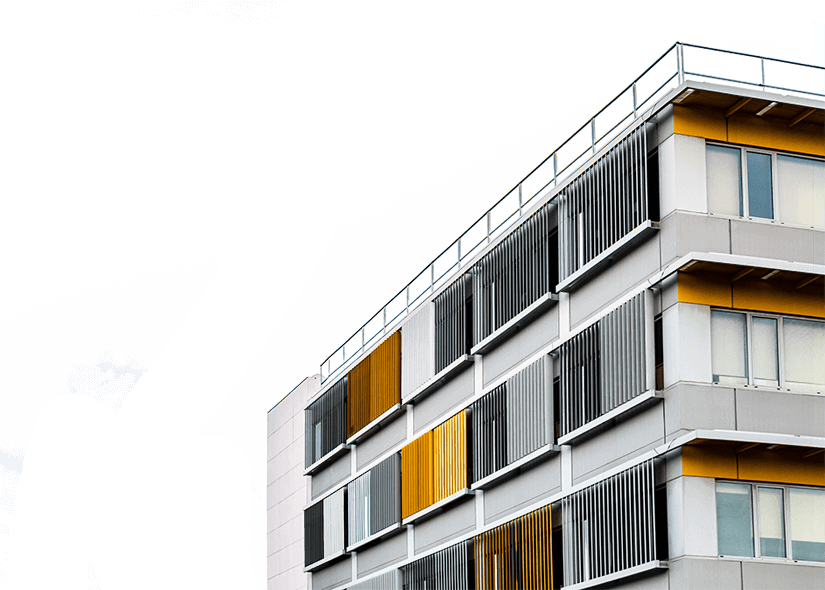
Graphene-enhanced concrete provides the superior compressive strength needed for tall, modern skyscrapers. Its lightweight properties and structural stability reduce the load on foundations while enhancing safety in seismic zones.
In critical infrastructure like bridges, graphene adds durability and crack resistance. It ensures longer lifespans with reduced maintenance, even under heavy loads and extreme weather conditions.
Graphene concrete helps roads last longer by resisting cracking and surface wear. It's ideal for busy highways where traffic and climate changes typically cause rapid deterioration.
From piers to seawalls, graphene protects concrete from saltwater corrosion. It significantly improves the longevity of marine structures by resisting moisture and harsh coastal conditions.
Graphene-infused concrete ensures leak-proof construction in water retention systems. Its impermeability and high strength make it perfect for dams, spillways, and reservoirs.
Safety is non-negotiable in nuclear and energy projects. Graphene-enhanced concrete offers unmatched fire resistance and structural integrity, critical for power stations and reactor containment.
Underground environments demand resilient materials. Graphene concrete excels in tunnel construction, offering faster curing times, high load resistance, and long-term durability.
For everyday construction, graphene offers eco-friendly, cost-effective solutions. It’s ideal for foundations, walls, and slabs in both commercial and residential settings, reducing material waste and emissions.
Warehouses, factories, and heavy-duty plants benefit from graphene’s load-bearing strength and resistance to chemicals. It ensures longer-lasting floors and structural components in demanding industrial zones.
From runways to terminals, graphene concrete supports aviation’s demanding needs. Its toughness under high traffic and weather fluctuations makes it a go-to for modern airport development.
Sustainability in Rhode Island extends beyond simply weathering the next storm; it requires a holistic approach to building that minimizes environmental impact while maximizing performance and longevity. Our graphene-enhanced concrete is a cornerstone of this philosophy, offering substantial ecological benefits throughout its entire lifecycle. The production process itself is greener, as the enhanced properties of graphene allow for a significant reduction in cement—the most carbon-intensive component of concrete. For every cubic yard of our graphene concrete used in a Rhode Island project, the carbon footprint is measurably smaller, directly contributing to the state’s mandate to curb emissions. Furthermore, the extraordinary durability of our material means that structures built today will not need to be replaced or extensively rebuilt for generations, drastically reducing the future consumption of raw materials, energy, and the associated emissions. This is true future-proofing, ensuring that the infrastructure we build now serves Rhode Island sustainably for decades to come.
The remarkable performance of our graphene-enhanced concrete is not magic; it is the result of meticulous material science and rigorous engineering tailored specifically to Rhode Island’s demanding conditions. At the molecular level, the integration of graphene creates a denser, more uniform concrete matrix by filling nanoscopic voids and forming stronger chemical bonds with the cement paste. This microstructural enhancement translates directly to macro-scale benefits: increased compressive and tensile strength, a higher modulus of elasticity, and drastically reduced permeability. For engineers working on complex projects like the Pawtucket River Bridge replacement or designing high-rise structures in Providence’s downtown core, these properties provide greater design flexibility. They can specify thinner slabs, longer spans, and more ambitious architectural forms without compromising safety or longevity, all while reducing the overall weight and material volume of the structure—a critical advantage in both urban and environmentally sensitive sites.
Our commitment to Rhode Island extends beyond providing a superior product to delivering unparalleled local expertise and quality assurance. We maintain a team of Rhode Island-based engineers and concrete specialists who understand the state’s unique geology, climate, and building codes inside and out. For every project, we implement a comprehensive quality control program that goes beyond standard testing, including accelerated weathering simulations that replicate decades of exposure to Rhode Island’s specific coastal conditions. Our on-site support includes real-time monitoring of concrete placement and curing, providing guidance on mix adjustments for temperature extremes and ensuring optimal performance from pour to completion. We work collaboratively with local contractors, architects, and municipal engineers, demystifying the technology and providing the data and documentation needed for confident specification and approval. This partnership approach ensures that the theoretical benefits of graphene concrete are fully realized in practice, delivering engineered excellence and lasting value for every project across the Ocean State.
As graphene-enhanced concrete gains prominence across Rhode Island's construction industry, builders, developers, and municipal leaders are seeking detailed information about this transformative technology and its applications within the state's unique environment. The following frequently asked questions address the most critical inquiries raised by professionals considering the adoption of this advanced material for projects ranging from critical coastal infrastructure in Newport to high-density urban developments in Providence. These responses are grounded in extensive experience with graphene concrete implementations throughout Rhode Island, reflecting an intimate understanding of the state's specific regulatory requirements, climate challenges, and construction practices. Whether you are planning a commercial development in Warwick, a municipal infrastructure upgrade in Cranston, or a specialized facility near the University of Rhode Island, these answers will provide the clarity needed to leverage graphene concrete technology effectively, ensuring compliance and maximizing return on investment for your next project.


UPDATES AND NEWSStay informed with expert insights, industry news, and project breakthroughs from The Graphene Solution. Our blog covers everything from graphene applications in construction to sustainable building trends and performance tips—designed to help you build smarter.