In Arizona, the sun does more than just heat up the sidewalk; it actively degrades our infrastructure. Whether you are managing a commercial development in downtown Phoenix, maintaining highways near Tucson, or pouring a new driveway in Scottsdale, you face a unique enemy: extreme thermal cycling.
Arizona’s climate is notorious for blistering daytime highs often exceeding 110°F, followed by rapid cooling at night or sudden temperature drops during monsoon storms. This constant expansion and contraction causes traditional concrete to crack, spall, and crumble prematurely. For property owners and city planners, this leads to a frustrating cycle of expensive repairs and constant maintenance.
The standard solution has always been to simply “pour more concrete.” But in a climate as harsh as ours, traditional materials are reaching their breaking point. You need a material engineered to withstand the desert’s brutality. You need Graphene-Enhanced Concrete Solutions for Arizona’s Climate.
The Reality: Ignoring the limitations of standard concrete in the Grand Canyon State isn’t just an inconvenience—it is a financial drain. Cracks allow moisture from sudden downpours to penetrate, rusting rebar and compromising structural integrity.
To understand the solution, we must first look at why standard materials struggle here. Arizona poses a “triple threat” to construction materials:
Extreme UV Radiation: Constant exposure weakens surface bonds over time.
Thermal Shock: The rapid shift from baking heat to monsoon rain creates internal stress fractures.
Aridity and Shrinkage: The dry air sucks moisture out of curing concrete too quickly, leading to plastic shrinkage cracks before the project is even finished.
If you ignore these climatic factors, your project is on a fast track to deterioration. We frequently see:
Safety Hazards: Uneven sidewalks and potholed roads.
Structural Risks: Compromised foundations in residential and commercial buildings.
Budget Blowouts: Repairing damage that could have been prevented with better materials.


At The Graphene Solution, we are revolutionizing the construction industry by integrating graphene—a nanomaterial 200 times stronger than steel—directly into the concrete mix. This isn’t just an additive; it is a fundamental upgrade to the molecular structure of the material.
By using Graphene-Enhanced Concrete Solutions for Arizona’s Climate, we create a composite material that is specifically suited for high-stress environments.
Graphene acts as a “molecular mesh” within the concrete paste. It improves the hydration process, locking in water more effectively to prevent shrinkage cracking—a massive benefit in Arizona’s dry air. It also increases the density of the concrete, making it nearly impermeable to water and aggressive chemicals.
We provide a comprehensive approach to upgrading your infrastructure:
Consultation & Analysis: We evaluate your specific site conditions, whether it’s a high-traffic highway or a residential foundation.
Mix Design Optimization: We tailor the graphene dosage to meet the specific load and environmental requirements of your project.
Implementation: We work with local batch plants and contractors to ensure the mix is delivered and poured correctly.
Quality Assurance: We verify that the cured concrete meets the enhanced performance standards promised.
For specific details on road infrastructure, explore our services for Graphene Concrete Roadways and Highway Construction in Arizona.
Smart Applications of Graphene Concrete
At The Graphene Solution, we believe that innovation begins with material science. Our graphene-infused concrete is leading the way in sustainable, high-performance infrastructure across various sectors. This powerful technology doesn’t just strengthen construction — it redefines what’s possible in terms of longevity, safety, and efficiency. Below, discover the ten most impactful uses of graphene concrete across industries that demand excellence.
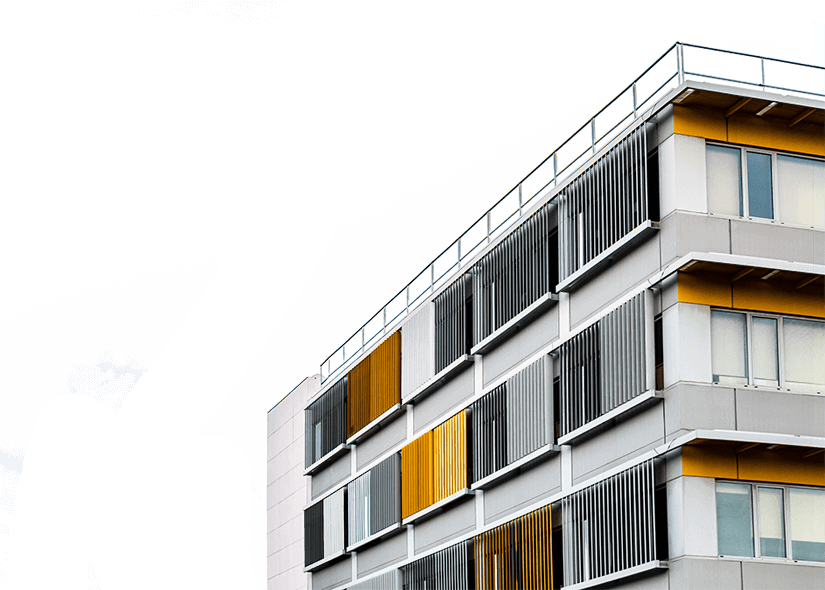
Graphene-enhanced concrete provides the superior compressive strength needed for tall, modern skyscrapers. Its lightweight properties and structural stability reduce the load on foundations while enhancing safety in seismic zones.
In critical infrastructure like bridges, graphene adds durability and crack resistance. It ensures longer lifespans with reduced maintenance, even under heavy loads and extreme weather conditions.
Graphene concrete helps roads last longer by resisting cracking and surface wear. It's ideal for busy highways where traffic and climate changes typically cause rapid deterioration.
From piers to seawalls, graphene protects concrete from saltwater corrosion. It significantly improves the longevity of marine structures by resisting moisture and harsh coastal conditions.
Graphene-infused concrete ensures leak-proof construction in water retention systems. Its impermeability and high strength make it perfect for dams, spillways, and reservoirs.
Safety is non-negotiable in nuclear and energy projects. Graphene-enhanced concrete offers unmatched fire resistance and structural integrity, critical for power stations and reactor containment.
Underground environments demand resilient materials. Graphene concrete excels in tunnel construction, offering faster curing times, high load resistance, and long-term durability.
For everyday construction, graphene offers eco-friendly, cost-effective solutions. It’s ideal for foundations, walls, and slabs in both commercial and residential settings, reducing material waste and emissions.
Warehouses, factories, and heavy-duty plants benefit from graphene’s load-bearing strength and resistance to chemicals. It ensures longer-lasting floors and structural components in demanding industrial zones.
From runways to terminals, graphene concrete supports aviation’s demanding needs. Its toughness under high traffic and weather fluctuations makes it a go-to for modern airport development.
Why are engineers and architects switching to graphene? The data speaks for itself.
Graphene-enhanced concrete has shown to increase compressive strength by up to 30% and flexural strength by up to 50%. In Arizona terms, this means your pavement or foundation can handle the thermal expansion without snapping. A road that usually lasts 20 years could last 40 or more with significantly less maintenance.
Water is scarce in Arizona, but when it rains, it floods. Our concrete is far less porous than traditional mixes. This prevents water from seeping in and corroding internal steel reinforcement.
Time is money. Graphene accelerates the curing process, allowing roads to reopen faster and construction timelines to shrink. This is vital for minimizing disruption in busy hubs like Metro Phoenix.
Because the concrete is stronger, you can often use less of it to achieve the same structural rating. Using less cement reduces your carbon footprint, making your project greener. Learn more about Eco-Friendly Residential and Commercial Buildings.
| Feature | Traditional Concrete | Graphene-Enhanced Concrete |
| Tensile Strength | Low (Prone to cracking) | High (Resists cracking) |
| Water Permeability | High | Low (Waterproof qualities) |
| Heat Resistance | Moderate | Superior |
| Cure Time | 28 Days (Standard) | Accelerated |
| Maintenance Cost | High ( frequent sealing) | Low |
Graphene concrete is already performing across Arizona’s ecological gradients—and the data is public, peer-reviewed, and accelerating adoption. An interactive map—hosted by the Arizona State University School of Sustainable Engineering—tracks real deployments:
Each site feeds into the Arizona Graphene Infrastructure Performance Database, with live telemetry on thermal strain, crack density, and load response. This empirical foundation has driven policy shifts: the City of Phoenix now grants expedited permitting for projects using graphene concrete in Heat Action Plan Zones (per Ordinance 2024-089), and the Arizona Game & Fish Department prioritizes graphene-enhanced wildlife underpasses in its $220M Wildlife Crossings Program. With funding surging via the Inflation Reduction Act Clean Manufacturing Credits and CHIPS Act infrastructure allowances, communities can deploy advanced construction materials now—without budget strain, without delay, and with measurable ROI.
We are not just suppliers; we are pioneers in material science application. Our expertise lies in bridging the gap between cutting-edge nanotechnology and practical, on-the-ground construction needs in Arizona.
Local Expertise: We understand the difference between building in the Sonoran Desert versus the high country of Flagstaff.
Proven Technology: We utilize scientifically verified methods to ensure consistent distribution of graphene throughout the mix.
Comprehensive Support: From the lab to the job site, we are with you.
We are dedicated to providing the best Construction and Concrete Materials with Graphene in Arizona.
Arizona’s climate is unforgiving, but your concrete doesn’t have to be the victim. Stop spending your budget on endless repairs and start building for the future.
Whether you are planning a massive highway expansion, a new commercial complex, or simply want a driveway that outlasts the mortgage, The Graphene Solution is your partner in advanced construction.
Don’t let the sun destroy your investment.
Ready to strengthen your project? Contact us today to discuss your specific needs and get a quote.


UPDATES AND NEWSStay informed with expert insights, industry news, and project breakthroughs from The Graphene Solution. Our blog covers everything from graphene applications in construction to sustainable building trends and performance tips—designed to help you build smarter.